
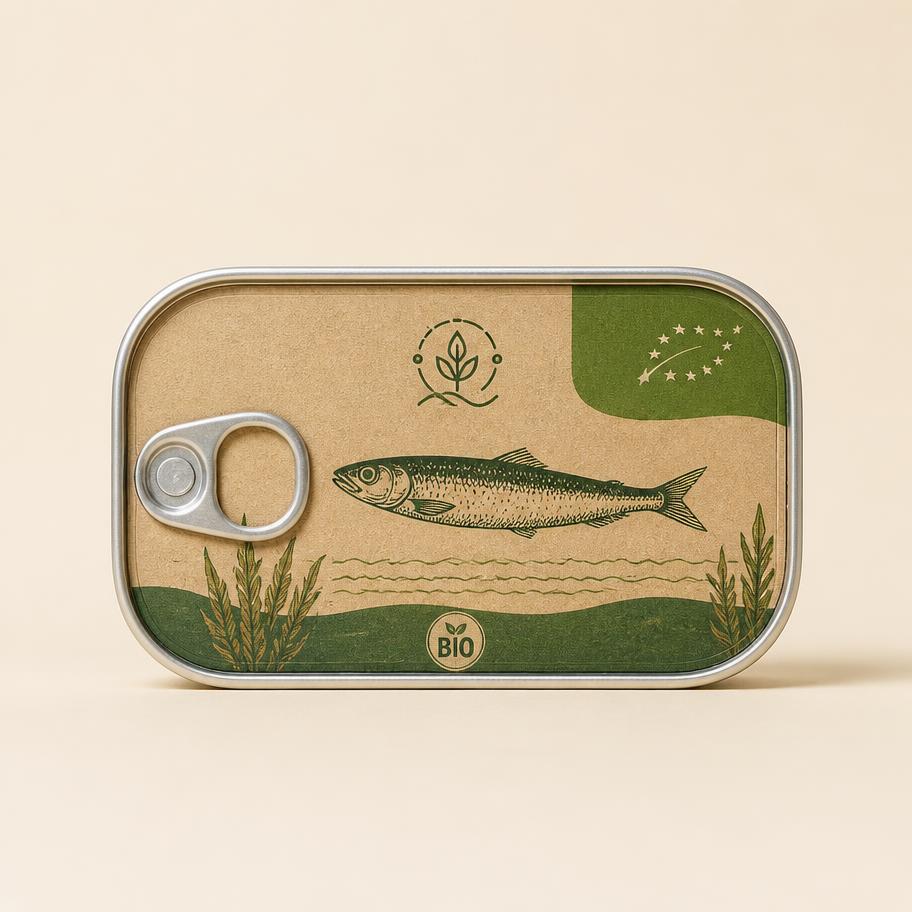
GUIDE
Sardines and omega-3: what to know before opening a tin
Sardines are no miracle food. They are, however, a convenient way to vary your oily-fish choices — a tin, vegetables and good bread can already make lunch.
Sardines are often presented online as an exceptional food. We prefer a simpler view: they are small oily fish that can be delicious, convenient and a useful part of a varied diet. Tinned sardines are ready to eat, and choosing an oil or sauce you enjoy means they need very little preparation.
This guide makes no miraculous promises. It offers a few practical facts to help you choose a tin and serve it well.
What makes sardines different?
Sardines are classed as oily fish. They naturally contain the long-chain omega-3 fatty acids EPA and DHA, as well as protein. When the soft bones are eaten, the product can also contribute calcium; exact nutritional values still depend on the particular product and its ingredients.
It is worth considering the whole plate rather than a single nutrient. A tin with tomatoes, beans, greens and good bread can be a simple, filling meal. Fish brings protein and fat, while vegetables and pulses add fibre and flavour.
What about mercury?
Small, shorter-lived fish such as sardines generally accumulate less mercury than large predatory fish. That does not mean they contain none: levels can vary by species, catch area and other factors.
The US FDA and EPA include sardines on their “Best Choices” list of lower-mercury fish. The practical principle is simple: eat a variety of fish rather than relying on one species all the time. If you are pregnant, breastfeeding or choosing fish for a child, discuss individual questions with a healthcare professional.
What should you check on a sardine label?
- Ingredients. A simple combination of sardines, olive oil and salt is the classic choice. Tomato, lemon or piri-piri creates a very different character.
- Salt. Levels vary between preserved products, so compare nutrition labels if you limit your salt intake.
- Whether you will eat the bones. Soft bones are edible and can contribute calcium; choose boneless fillets if you do not enjoy them.
- Sauce and oil. Sardines packed in olive oil often need no extra oil on the plate. Add as much as you like for flavour when serving sardines in their own juices.
Three easy ways to serve them
Tomato toast
Rub toast with a ripe tomato, add sardines, a few slices of onion and lemon juice. Serve cucumber or leafy greens alongside.
Warm bean salad
Combine white beans, tomatoes, rocket, parsley and sardines. If the fish is packed in olive oil, use that oil as the dressing and finish with lemon.
Pasta with lemon and capers
Fold sardines, capers, lemon zest, parsley and a little pasta water through hot pasta. Dinner is ready in under ten minutes.
Which tin should you try first?
If sardines are new to you, begin with classic sardines in olive oil. Then try sardines in tomato sauce or spicy sardines. For a gentler, boneless texture, choose sardine fillets.